
Sump Pump Installation & Battery Backup Systems Clio MI
Basement flooding is one of the most destructive and stressful experiences a homeowner can face. In Michigan, heavy rains, snowmelt, and high water tables make basement protection essential. Just Professional Plumbing specializes in sump pump installation, maintenance, and battery-backup systems to ensure your basement remains dry and your home protected. Serving Clio and adjacent communities since 2011, we offer reliable sump solutions designed for local conditions.
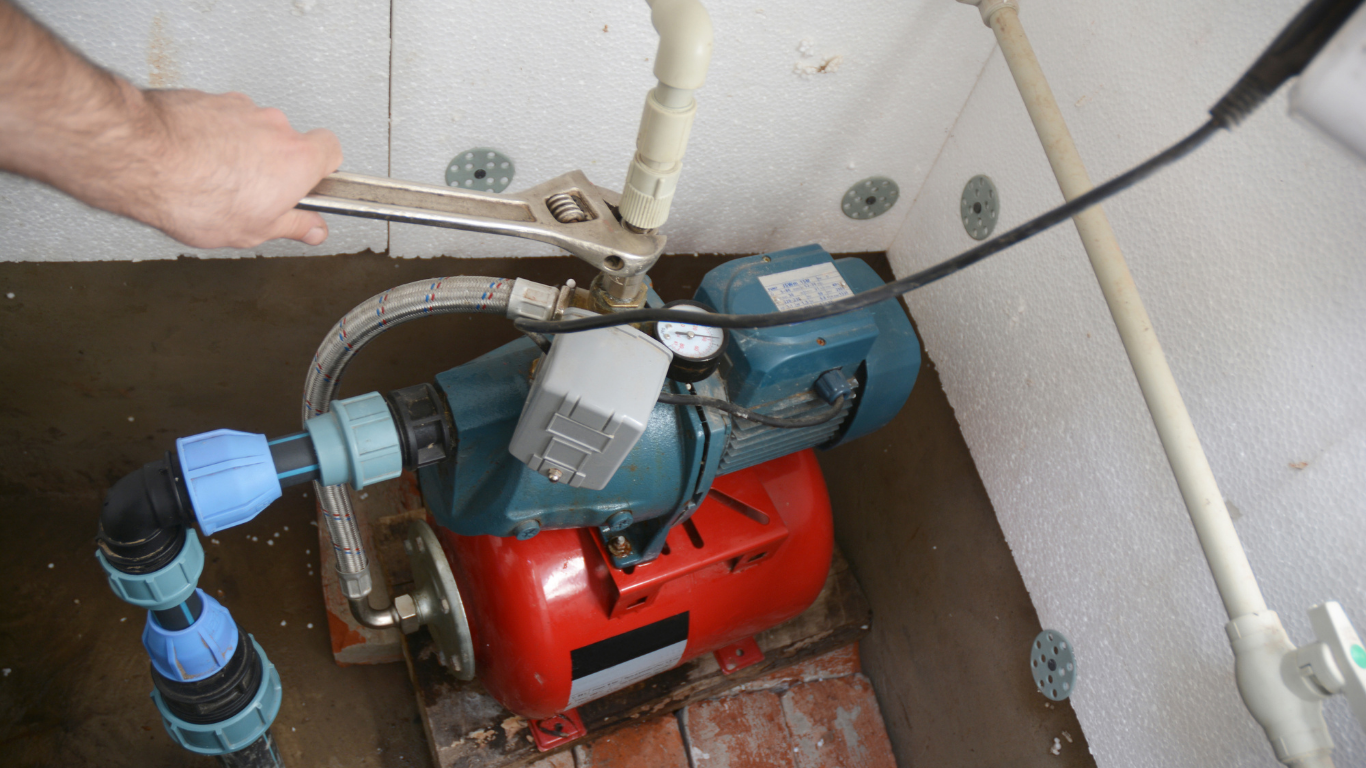
DONE RIGHT THE FIRST TIME
Why sump pump systems matter
Sump pumps remove accumulated groundwater and discharge it away from your foundation. Without a functioning sump pump, water can collect in basements and crawlspaces, causing structural damage, mold growth, ruined possessions, and costly repairs. Sump pumps, combined with proper drainage and backup systems, are your first line of defense against flooding and moisture-related problems.
Key benefits of professional sump pump services
Protection against basement flooding and water intrusion
Reduced risk of mold, mildew, and structural damage
Peace of mind during storms and power outages with backup systems
Professional installation that ensures proper discharge and pit configuration
Routine maintenance to detect wear and extend pump life
Types of sump pump systems we install
Primary submersible sump pumps
Immersible units installed in the pit with efficient pumping capacity for most basements.
Pedestal sump pumps
Motor mounted above the pit for easier service; less common but useful in certain installations.
Battery-backup systems
Add a battery-powered pump or connection that activates when power is out, ensuring operation during outages.
Water-powered backup systems
Use municipal water pressure for backup pumping; ideal where power outages are frequent and battery maintenance is a concern.
Combination systems
Integrate primary pump with battery and alarm systems for layered protection.
Signs your sump pump needs service or replacement
- Pump runs constantly or cycles too frequently
- Pump fails to start during storms or power loss
- Unusual noises or grinding sounds from the pump
- Visible corrosion or leaks in pump motor components
- Old age—many pumps last 7–10 years depending on usage and quality
- Sump pit overflow or failure to remove standing water
Our sump pump installation process
1. Site evaluation: We assess basement layout, drainage pattern, and pit location.
2. Pump selection: Based on discharge head and expected inflow, we select a pump sized to handle your site needs.
3. Pit and discharge planning: Proper pit depth and discharge routing are essential to prevent re-entry of water to your foundation.
4. Backups and alarms: We recommend battery or water-powered backups and float alarms to alert you to failures.
5. Testing and demonstration: After installation we test the system under simulated conditions and show you operation and maintenance needs.
Battery backup systems and why they matter
During storms, power outages frequently occur—precisely when heavy rains threaten your basement. A battery backup pump ensures continuous operation when electricity fails. Modern backup systems include battery status indicators and automatic switching so protection is uninterrupted. We size batteries and charging systems to meet expected durations and recommend maintenance routines.
Water-powered backups — pros and cons
Water-powered backups do not rely on electricity but do use municipal water supply to remove water. They’re reliable during extended power outages without battery maintenance but can increase water consumption and require adequate municipal pressure.
Maintenance and testing to avoid failure
Sump pumps are mechanical systems that need periodic attention:
Inspect and test pumps biannually—before heavy rain seasons and during winter thaw periods.
Clean the pit to prevent debris from jamming the float or impeller.
Test battery backups monthly and replace batteries per manufacturer recommendations.
Check discharge lines for clogs or freeze during winter months and install anti-freeze routing if necessary.
Cost considerations and ROI
Costs depend on pump type, depth of pit, discharge length, and backup options. Given the high cost of basement water damage and mold remediation, investing in a suitable sump and backup system typically offers a strong return by protecting valuables and structural components.
Sump Pump and Home Insurance
Many insurance policies consider sump failure coverage separately or exclude damage from a lack of proper sump protection. Installing a professionally installed sump pump and documented maintenance may influence claims and coverage discussions. We recommend checking your policy and documenting installation and maintenance.
Common mistakes to avoid
Undersized pumps: Choose a pump that handles peak inflow; otherwise the pump will run continuously and fail prematurely.
Improper discharge routing: Discharging too close to the foundation can lead to re-entry of water and erosion.
No backup: Relying solely on a primary pump leaves the basement vulnerable during power loss.
No alarm system: A float or high-water alarm provides early warning to prevent major flooding.
Frequently Asked Questions
How often should I test my sump pump?
Monthly visual checks and quarterly power tests are recommended; a thorough professional inspection at least once a year is best.
How long does a battery backup last?
It depends on battery capacity and pump draw. Typical backups run several hours; we size batteries based on expected run time and provide recommendations.
Can I install a sump pump myself?
While some homeowners tackle basic installs, correct pit placement, discharge routing, and backup integration require experience and code knowledge. Improper installation can lead to failures or code violations.
What happens if my discharge line freezes?
Frozen discharge lines prevent proper pumping; we install proper routing and heat tape or insulation where necessary to reduce freeze risk.
Do you provide maintenance plans?
Yes. We offer maintenance services to test, clean, and service sump pumps and backups to ensure reliable performance.
Contact and scheduling
Protect your basement before the next heavy rain—call (810) 280-3540 to schedule a sump pump inspection or installation. Our office is located at 2527 E Vienna Rd, Clio, MI 48420. We provide timely installations, battery-backup options, and routine maintenance to keep your home dry.